
Specialist care for tinnitus and sound sensitivity
Evidence-based audiology for tinnitus, hyperacusis and complex hearing concerns. We take the time to understand what is happening, investigate properly and explain what your results mean.
Does this sound familiar?
You are not imagining it.
Tinnitus and sound sensitivity can be difficult to understand, particularly when previous testing has not given you clear answers.
- ✓ Ringing, buzzing, hissing or roaring in your ears
- ✓ Sounds that come and go — or never seem to stop
- ✓ Trouble sleeping or concentrating
- ✓ Everyday sounds that feel unusually loud or uncomfortable
- ✓ You were told your hearing is “normal” but you still struggle
There may be more to investigate.
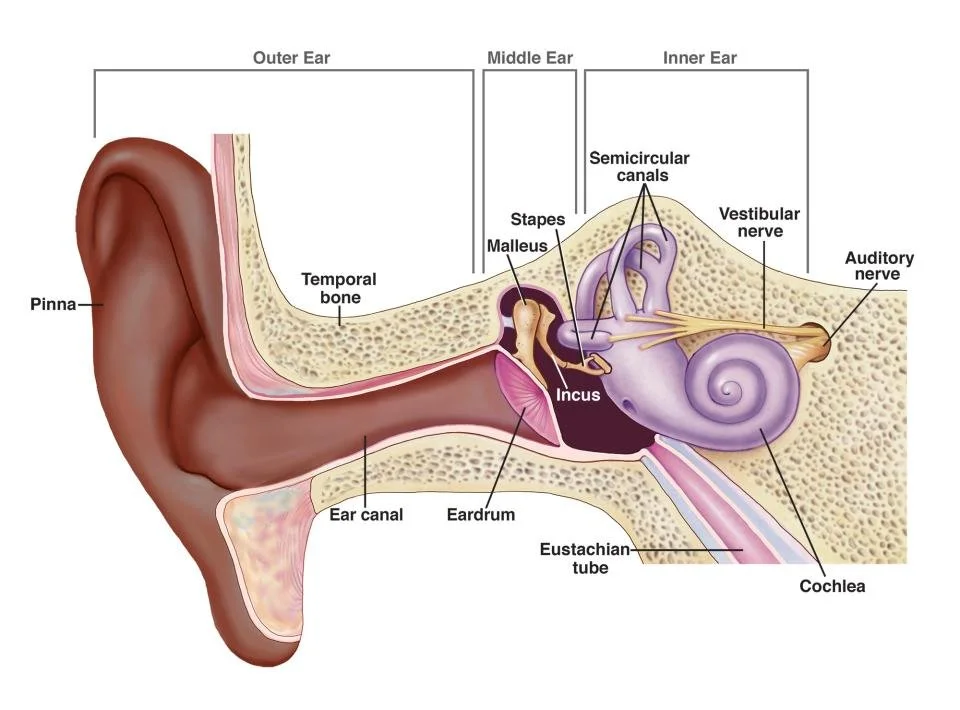
Tinnitus may be influenced by:
Specialist assessments. Personalised care.
Start with the right assessment
We go beyond a standard hearing screen to understand your symptoms, hearing and individual needs.
Thorough Case History
We take time to understand your tinnitus, hearing, sound tolerance and how your symptoms are affecting you.
Learn more →
Hyperacusis & Sound Sensitivity
Assessment and rehabilitation when everyday sounds feel too loud or uncomfortable.
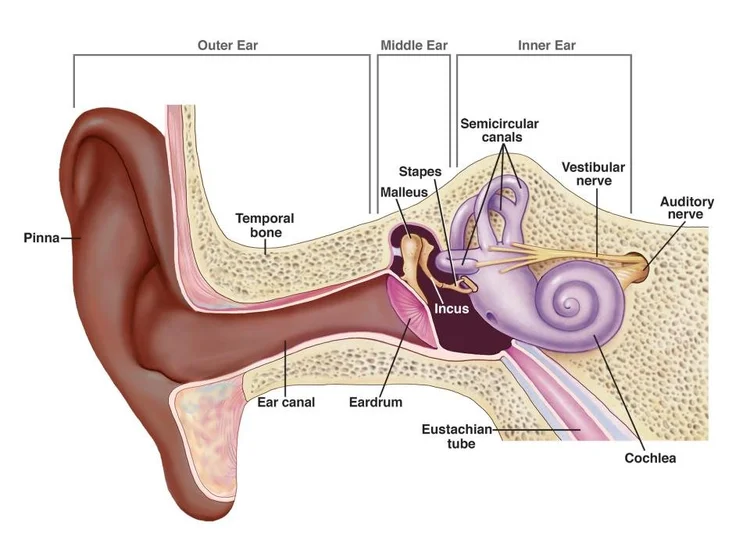
Diagnostic Hearing Assessment
Advanced testing that looks beyond a basic hearing screen.
Learn more →
Personalised Management Plan
Recommendations based on what may be contributing to, exacerbating or maintaining your symptoms.
Learn more →
Hearing Solutions
Independent hearing care and devices when amplification is clinically appropriate.
Our approach
Understand. Investigate. Prioritise. Manage.
No two tinnitus management plans are the same, because no two patients’ tinnitus is the same.
During your assessment, we look at what may be contributing to, exacerbating or maintaining your tinnitus. Once we understand those factors, we can work out what needs attention first and whether further treatment is needed at all.
We take time to understand your tinnitus, hearing, sound tolerance, history and how your symptoms are affecting you.
We look for factors that may be contributing to, exacerbating or maintaining your tinnitus.
Once we understand the contributing factors, we decide what needs to be addressed first. If underlying sound sensitivity is present, that becomes the priority.
From there, we build a personalised management plan and introduce strategies in the right order for your presentation.
Specialist audiology
Meet Laura
Laura Drexler is an audiologist with a particular clinical focus on tinnitus, hyperacusis and complex hearing concerns.
Adelaide Tinnitus Clinic was created to provide the time, diagnostic depth and individualised management these presentations often require.
Meet Laura →Trusted by referrers
Specialist care that works alongside your existing team
We accept referrals from audiologists, GPs, ENT specialists and other healthcare professionals for tinnitus and sound-sensitivity assessment.
You do not need to transfer your routine hearing care to access specialist tinnitus services with us.
Funding & access
Multiple pathways to care
Learn. Understand. Take control.
Evidence-based information without the overwhelm
Evidence-based care in a noisy online world
There is no shortage of tinnitus advice online — from social media claims and unqualified influencers to products promising a quick fix.
At Adelaide Tinnitus Clinic, recommendations are based on clinical research, specialist training and your individual presentation.
Tinnitus management should be based on understanding what may be contributing to, exacerbating or maintaining your symptoms, then choosing strategies that are appropriate for you.
Specialist tinnitus care means more than simply listing “tinnitus” as a service.
Laura has undertaken additional postgraduate and tinnitus-specific training in assessment and rehabilitation, including Tinnitus Retraining Therapy and Cognitive Behavioural Therapy, and is currently completing her Doctor of Audiology through A.T. Still University.
You can expect clear explanations, realistic expectations and recommendations grounded in evidence — not sales claims.
Explore practical resources to better understand tinnitus, sound sensitivity and hearing.
My hearing test was normal. Why do I have tinnitus?
Why a conventional hearing test may not tell the whole story.
Understand why →Why does tinnitus get louder when I am stressed?
Understanding the relationship between tinnitus, attention and the nervous system.
Understand what changes tinnitus →When should new tinnitus be medically investigated?
Most tinnitus is not an emergency, but some symptoms should be assessed promptly.
Know when to take action →Frequently asked questions
Appointments, referrals, hearing aids, HSP, DVA and tinnitus treatment.
View FAQ →Yes, something can be done.
For many people, the initial assessment and personalised management plan are enough to give them clarity, practical strategies and a way forward.
If you need more support, we’re here for that too — with follow-up care and treatment tailored to your individual needs.